
Second Hand Furniture Dealers UK: How to Find, Buy From and Sell to the Best
2026-04-23
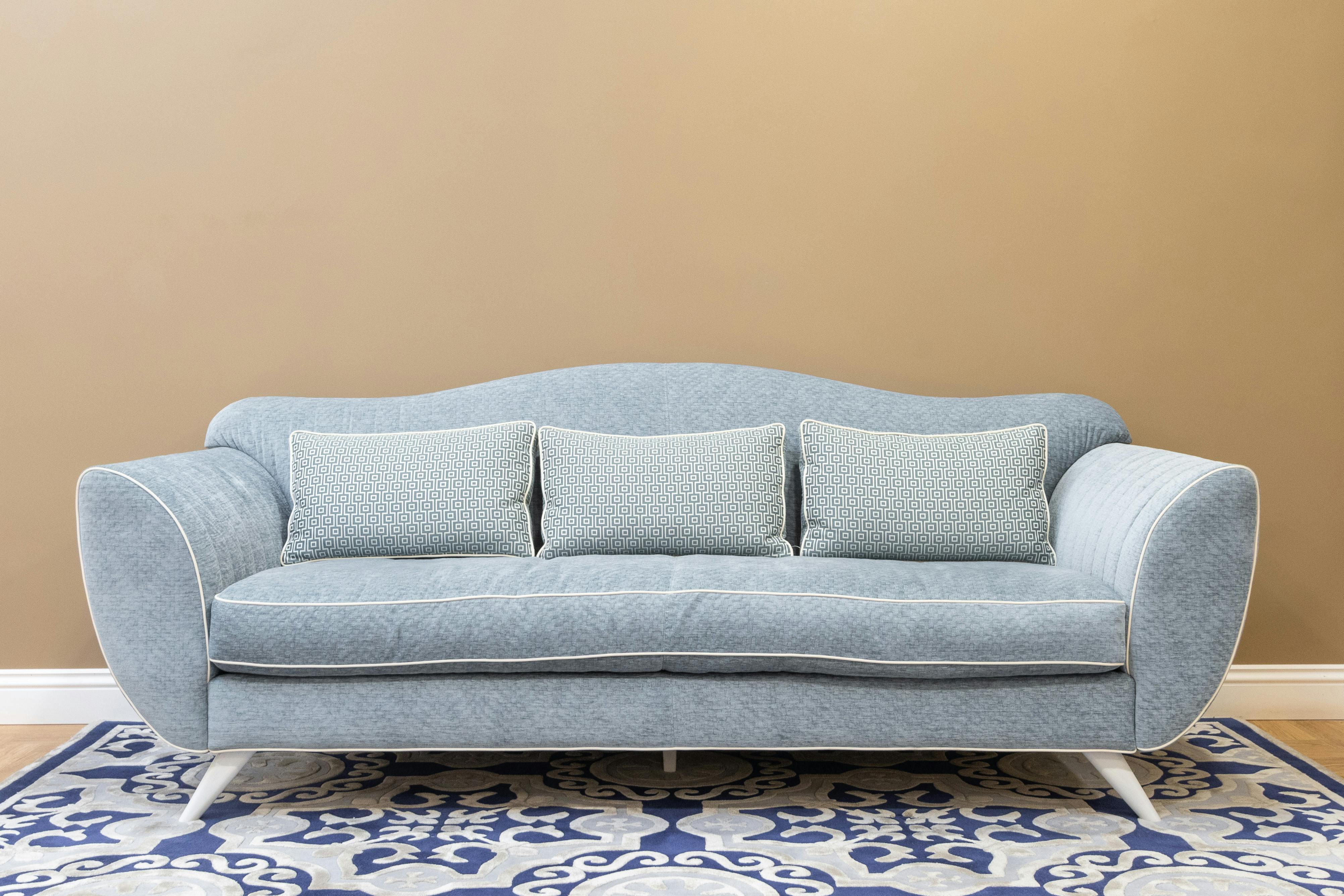
Second-Hand Furniture Dealers in the UK: What Buyers and Sellers Should Look For
Second-hand furniture dealers remain an important part of the reuse market. They source, assess, prepare and resell furniture that might otherwise disappear into storage, clearance or disposal.
Buying second-hand furniture is rarely as standardised as buying something new.
Every piece has its own dimensions, condition, finish, repairs, provenance and delivery requirements.
A knowledgeable dealer can make unusual furniture easier to understand by providing better descriptions, clearer condition information and more context around the piece.
But “dealer” should not automatically be treated as a guarantee of expertise. Buyers should still assess the individual listing and seller carefully.
What does a second-hand furniture dealer actually do?
At the simplest level, a dealer acquires furniture and resells it as part of a business.
That process can involve much more than buying and relisting stock.
Furniture may come from private sellers, house clearances, auctions, trade contacts, reclamation businesses or other dealers.
Dealers often identify likely age, materials, construction, condition and whether repairs or restoration are required.
Stock may be cleaned, repaired, restored or simply photographed and described accurately in its existing condition.
The dealer then connects the piece with a buyer through a shop, yard, website, social account, auction or marketplace.
Different dealers specialise in different parts of the market
Some dealers work across almost every kind of used furniture. Others build their business around a particular period, material or style.
A dealer who handles the same kind of stock repeatedly may be better placed to identify construction, recognise alterations and understand what information buyers are likely to need.
The quality of the listing often tells you a lot about the seller
Useful furniture listings tend to be specific rather than promotional.
Specific information is more useful than broad claims such as “rare”, “excellent condition” or “investment piece”.
Good dealers show the flaws as well as the attractive angles
Second-hand furniture should not be photographed as though it were a flawless new retail product.
Shows overall proportion and appearance.
Important for scratches, ring marks, staining and wear.
Helps buyers see storage layout and internal condition.
Close-ups should show defects that could affect a purchase decision.
Dealer and private sales each have different advantages
It is too simple to say one route is always better.
A business seller may provide stronger product knowledge, more regular delivery arrangements and a wider range of stock.
Private listings can reveal furniture that has never passed through the trade and may come with useful family or ownership history.
Rather than asking whether a dealer or private seller is automatically safer, assess how accurately the individual seller describes the item and how clearly the transaction is handled.
What should buyers ask before committing?
- Are the width, depth and height confirmed?
- Has the piece been repaired or restored?
- Are the handles, legs and other fittings original?
- Is the age known, estimated or simply unknown?
- Are there faults not obvious in the photographs?
- Can the piece be dismantled for access?
- Who arranges collection or delivery?
For large furniture, delivery access can be just as important as condition. Doorways, staircases and narrow halls should be checked before purchase.
Selling to a dealer is different from selling directly to the end buyer
A dealer purchasing stock needs enough room to cover transport, storage, preparation, business costs and the risk that the piece may take time to sell.
That means a dealer's buying price will usually be lower than the price they hope to achieve when the furniture is eventually resold.
The gap between a dealer's offer and eventual retail price depends on the individual piece, likely demand, storage requirements, restoration costs, transport and how quickly the dealer believes it will sell.
Direct marketplace selling gives owners another route
Not every seller wants to sell to a dealer first.
A marketplace can allow an owner to list furniture directly and let interested buyers decide whether the piece suits them.
Solid oak sideboard with visible surface wear and one repaired drawer runner. Approximate age unknown. Brass-effect replacement handles. Structurally stable. Collection preferred. Full condition shown in photographs.
Dealers can help preserve information as furniture changes hands
Older furniture often loses information each time it is moved, cleared, sold or stored.
Where a dealer or seller knows the previous owner, maker, building, estate or approximate purchase history, recording that information can make the piece easier to understand later.
Second-hand dealers are part of the wider reuse infrastructure
Furniture dealers, antique businesses, reclamation yards, auction houses and online sellers all help keep existing objects circulating.
Their role is particularly valuable when they can connect an unusual piece with a buyer who is actively searching for exactly that kind of furniture.
A useful piece of furniture may already exist somewhere in the UK. Better listings and better digital discovery make it more likely that the right buyer can find it.
The Reclaimed Company is a marketplace, not the owner of every listing
Furniture and reclaimed items on the platform can be listed by different sellers.
That means availability, descriptions, pricing, communication and completion of individual listings remain connected to the seller responsible for that item.
The value of the marketplace is bringing more second-hand and reclaimed stock into one searchable environment — not pretending every seller or object is identical.
Good second-hand furniture dealing is built around information
The strongest dealers do more than move furniture from one owner to another.
They help buyers understand what they are looking at, preserve useful information and make individual pieces easier to discover.
Private sellers can do the same when they create accurate, detailed listings.
Whether furniture is sold by a professional dealer or directly by its owner, clear information and honest presentation make the reuse market work better.
Have second-hand, vintage or reclaimed furniture to sell?
Make existing furniture easier for new buyers to discover through The Reclaimed Company marketplace.
Visit The Reclaimed Company →